India Open T20I Series vs Zimbabwe in Harare on 23 July
India begin a three-match T20I tour of Zimbabwe at Harare Sports Club on Thursday, 23 July 2026, with the first game scheduled for 4:30 PM IST after a difficult stretch of cricket in the United Kingdom.
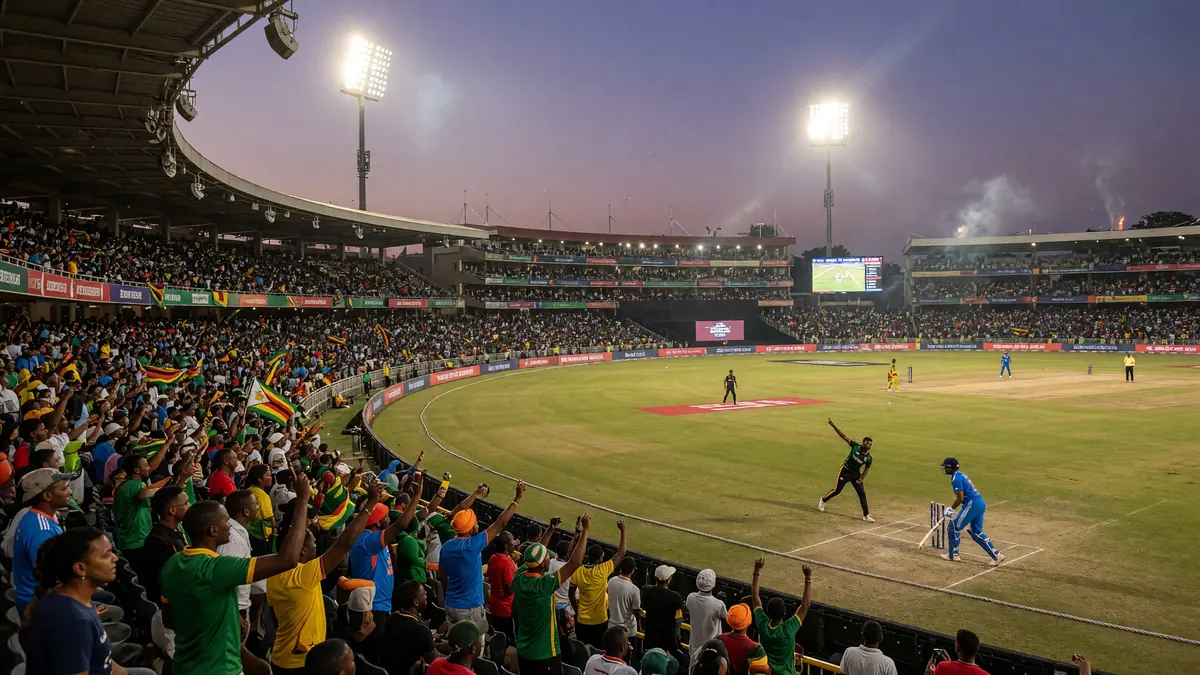
The series opener gives India an immediate chance to reset the short-format narrative under captain Shreyas Iyer. The visitors arrive with a heavily refreshed group: only four players from India’s T20 World Cup 2026 winning squad are on this trip, which changes both the look of the XI and the kind of pressure Zimbabwe can apply at home.
For Indian cricket followers tracking form into the next white-ball window, the Harare leg is less about nostalgia and more about minutes. Young batters need overs against a competitive home attack; seamers need death-over responsibility without a full senior cushion; and the leadership group needs a clean result after a winless run that has stretched to seven T20Is under Iyer.
Match snapshot
- Fixture
- Zimbabwe vs India, 1st T20I
- Date
- Thursday, 23 July 2026
- Start
- 4:30 PM IST
- Venue
- Harare Sports Club, Harare
- Series
- Three-match T20I series
- TV
- Unite8 Sports and DD Sports
- Stream
- FanCode
Why the Harare opener matters beyond the scoreline
India’s recent T20I results have left little room for soft landings. A seven-match winless streak in the format under Shreyas Iyer is the clearest public marker of that stretch. Zimbabwe are not a free hit on home soil, especially when India rotate away from a World Cup core and give minutes to players still building international rhythm.
That context shapes selection more than any single headline. With only four members of the T20 World Cup 2026 winning side present, the touring group is effectively a bridge squad: enough experience to hold the middle, enough youth to stress-test roles that may matter later in the year. The first T20I is therefore a selection statement as much as a bilateral fixture.
Zimbabwe, for their part, have a settled route to compete in Harare. When the surface slows and the ball grips, experienced hands such as Sikandar Raza and Blessing Muzarabani become more valuable than pure star power. Home conditions reduce the gap that often opens when these sides meet in India or at neutral venues.
Broadcast window and how India supporters can follow live
Live coverage of the Zimbabwe–India series is listed on Unite8 Sports and DD Sports. Streaming is listed on FanCode. The 4:30 PM IST start puts the contest in a familiar evening window for Indian audiences, with the full first innings still available before late-night commitments for most weekday viewers.
Because the tour is only three matches long, every toss and every early powerplay carries extra weight. A shared first game can tilt travel load, recovery and XI confidence for both camps before the second and third fixtures. Readers who follow squad news and match-day notes can also scan wider desk coverage in our cricket news collection for related white-ball updates.
Harare Sports Club: slow surface, humidity, late uneven bounce
Harare Sports Club is described as a slow deck that can break down as the contest wears on. Humidity is part of the evening package, and bounce can turn uneven later in the innings. Those three details push captains toward a simple planning rule: value the new ball, then protect against the sticky old ball when timing becomes harder.
Batters who commit early to full swings against a hard ball can still score quickly. Once the ball softens and holds in the surface, the premium shifts to placement, strike rotation and players who clear the infield without needing perfect pace on. Spinners and cutters gain leverage in the middle overs; pure hitters who rely on skid alone can look hurried.
For fielding captains, the practical read is to set aggressive catching rings while the ball is hard, then expand the boundary protection once the deck slows. Mis-hits that carry on a true surface can die in Harare’s later overs, which is why mid-innings bowling changes often decide chases here more than raw pace peaks.
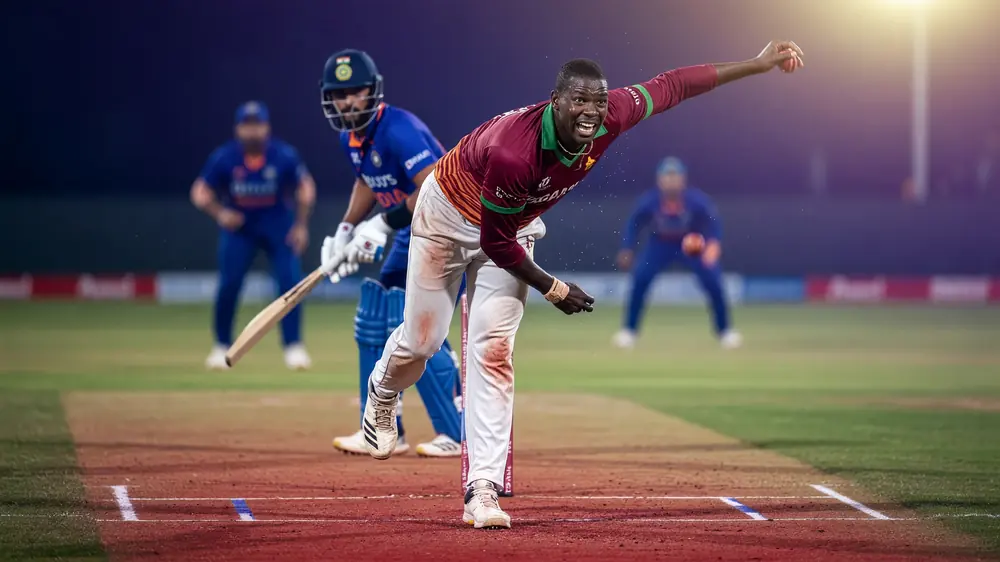
Expected Zimbabwe balance under Sikandar Raza
Preview lists for Zimbabwe point to a familiar blend of top-order intent and multi-skill depth. Ben Curran and Brian Bennett are named as openers, with T. Marumani keeping wicket. Sikandar Raza captains from the middle, supported by Dion Myers, Ryan Burl, Brad Evans, Wessly Madhevere, Richard Ngarava, Milton Shumba and Blessing Muzarabani.
That shape gives Zimbabwe several levers. Bennett’s record against India has been flagged as a reason he can force early field changes. Raza’s middle-overs control remains the side’s organising idea: hold a length, force mishits into the longer boundary, and keep death overs from turning into a free-hit lottery. Muzarabani’s ability to hit the deck hard across formats makes him the clearest strike option with the new ball and at the death.
If humidity helps the seamers early, Zimbabwe will want wickets inside the powerplay rather than mere containment. If the surface flattens briefly in the middle, the Burl–Madhevere–Raza spin-and-pace mix becomes the brake. India’s younger batting order will be tested less by raw pace than by changes of pace on a sticky length.
India’s predicted batting spine and the experience gap with the ball
India’s listed shape starts with Abhishek Sharma and Vaibhav Sooryavanshi at the top, Ishan Kishan keeping wicket, and Shreyas Iyer captaining from the middle. Tilak Varma and Shivam Dube add left-right hitting depth, with Harsh Dubey offering all-round balance. The bowling cast is built around Ravi Bishnoi, Prince Yadav, Ashok Sharma and Mayank Yadav.
Abhishek Sharma is the batter most closely watched in preview notes. He has previous strong memories in Zimbabwe, including the backdrop of his international debut, and remains the cleanest left-hand accelerator in this touring group. Sooryavanshi’s inclusion continues the experiment of giving high-ceiling young openers first-use conditions against international seam.
The bowling picture is thinner on pure experience. Among the current bowling options listed for this side, only Ravi Bishnoi is described as having played more than 20 T20Is. That single fact frames the contest: India’s batting can outpace most bilateral attacks on its day, but the bowling unit still has to prove it can close games when a chase sits at seven an over with wickets in hand.
Predicted Zimbabwe XI
- Ben Curran
- Brian Bennett
- T. Marumani (wk)
- Sikandar Raza (c)
- Dion Myers
- Ryan Burl
- Brad Evans
- Wessly Madhevere
- Richard Ngarava
- Milton Shumba
- Blessing Muzarabani
Predicted India XI
- Abhishek Sharma
- Vaibhav Sooryavanshi
- Ishan Kishan (wk)
- Shreyas Iyer (c)
- Tilak Varma
- Shivam Dube
- Harsh Dubey
- Ravi Bishnoi
- Prince Yadav
- Ashok Sharma
- Mayank Yadav
These XIs are preview estimates, not confirmed team sheets. Final elevens will still depend on fitness checks, toss preference and how both camps read the first look at the Harare surface on match morning.
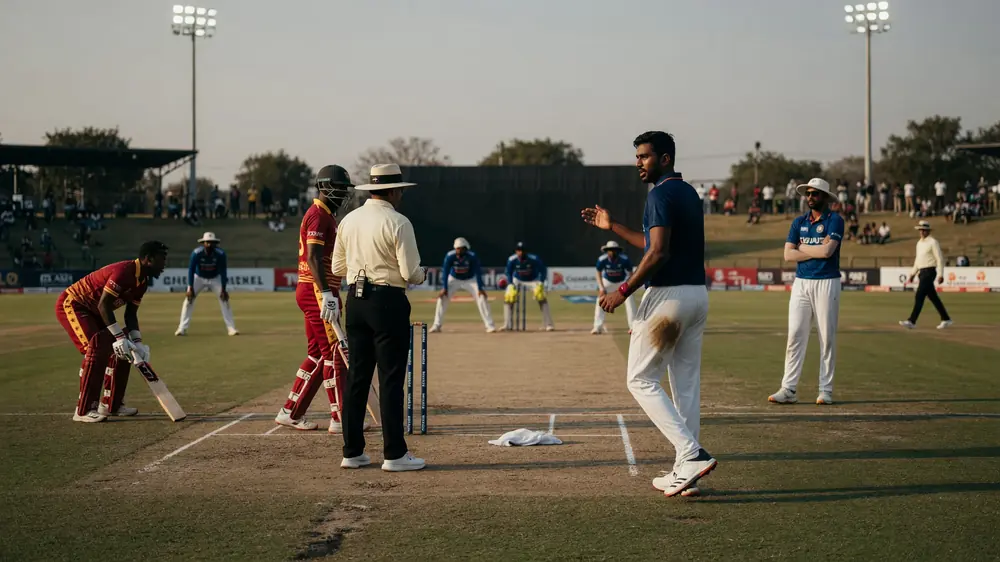
Head-to-head context without overstating the gap
In men’s T20Is before this tour, the completed head-to-head stands at 13 matches: India 10, Zimbabwe 3, with no ties and no no-results in that sample (record summarised through 2025). The margin still favours India on paper, yet bilateral tours in Zimbabwe have repeatedly shown that the first game can be the most awkward for a travelling side still sorting combinations.
Historical dominance does not bowl the first over in Harare. What it does supply is a psychological reference: Zimbabwe need a perfect night with new-ball wickets and calm finishing; India need early control so the less-capped bowlers are not defending inflated totals under lights. Three Zimbabwe wins in the sample are enough to remind visitors that home conditions can flatten rankings for an evening.
Roles that can decide the first T20I
Abhishek Sharma’s powerplay intent. If India bat first, a quick start reduces pressure on a middle order still knitting partnerships. If India chase, Abhishek’s ability to take the first six overs away from Zimbabwe’s plans is the simplest path to a controlled hunt.
Brian Bennett’s counter-punch. Preview notes highlight Bennett’s numbers against India. A strong opening stand involving Bennett forces India to use a bowling plan B earlier than preferred, which is exactly when a young attack can leak extras and boundary balls.
Prince Yadav and Mayank Yadav with the hard ball. Both are named among India’s pace options. On a surface that later sticks, their early spell discipline — length, wide yorker practice, short-ball use only with a plan — will matter more than raw speed gun readings.
Blessing Muzarabani’s lengths. He has been the standout Zimbabwe bowler across formats in the recent cycle covered by preview notes. If he finds the hard length that forces mishits to midwicket and cover, India’s left-hand heavy middle can be slowed without dramatic swing.
Ravi Bishnoi’s middle-over hold. As the most experienced specialist bowler in the listed Indian attack, Bishnoi’s job is containment with wicket threat once the ball softens. Wrong’uns into the pitch and smarter field settings on the shorter side are the standard Harare tools.
What a first-match result would actually change
An India win would not erase the wider winless streak on its own, but it would hand Iyer’s group a usable template: top-order aggression, middle-order composure, and a bowling plan that trusts Bishnoi plus two of the younger pacers to finish. That template is the real currency of a three-match tour.
A Zimbabwe win would stretch India’s short-format rebuild story further and put the spotlight on death bowling and finishing with the bat. For the hosts, a series lead in front of a Harare crowd would validate selection continuity around Raza and reward the seam-spin mix that suits this ground.
Preview consensus leans toward India’s batting firepower as the edge, while openly questioning whether the young bowling unit can sustain pressure for a full 20 overs. That is a conditional lean, not a settled forecast. Conditions, toss and the first six overs remain larger variables than reputation.
Series schedule frame after the opener
The assignment is a three-match T20I series. Once the first game is done, attention shifts quickly to recovery, any niggles that appear under lights, and whether either side flips a specialist based on how the Harare surface behaved. The second and third matches will tell whether Thursday’s patterns were a one-off or a tour-long script.
Until those elevens are confirmed on the morning of the match, the cleanest reading remains the verified frame: India are in Zimbabwe for three T20Is after a hard UK tour; the first contest is at Harare Sports Club on 23 July 2026 at 4:30 PM IST; the squad is young relative to the World Cup-winning core; and broadcast is listed across Unite8 Sports, DD Sports and FanCode.
Thursday’s first ball will answer the only question that matters on the night — whether India’s refreshed combination can convert batting depth into a complete T20I performance on a slow Harare deck.